Environmental Groups
Environmental Groups and the Tension Over Utility-Scale Wind Projects
One of the challenges in opposing poorly sited projects like Camino Madre is that support within the broader environmental and climate advocacy community is not unanimous. Many organizations and activists find themselves torn between two important priorities: advancing renewable energy to combat climate change, and protecting sensitive wildlife habitats and ecosystems from industrial development.
The Case for Green Energy
Numerous environmental groups strongly support the rapid expansion of wind, solar, and other renewables as essential tools for reducing greenhouse gas emissions and transitioning away from fossil fuels. Organizations such as the Sierra Club, Natural Resources Defense Council (NRDC), and many climate-focused activists view large-scale wind projects as a critical part of the solution to global warming. In this view, every new turbine represents progress toward a cleaner energy future.
The Wildlife and Habitat Concerns
At the same time, many of these same groups - along with specialized conservation organizations like the National Audubon Society, Bat Conservation International, and American Bird Conservancy - have voiced strong concerns about the impacts of utility-scale wind development on birds, bats, and other wildlife. Documented issues include:
Direct mortality from blade strikes and barotrauma (especially for migratory and tree-roosting bats).
Habitat fragmentation caused by roads, transmission lines, and turbine pads.
Disruption of migration corridors and breeding grounds.
Cumulative effects when multiple projects are proposed in ecologically sensitive areas.
These organizations frequently advocate for “smart siting” - meaning renewables should be developed in locations with lower ecological value and minimal conflict with protected species or critical habitats. Not every location is appropriate for industrial-scale wind energy, even if the goal is clean power.
A Divided Position
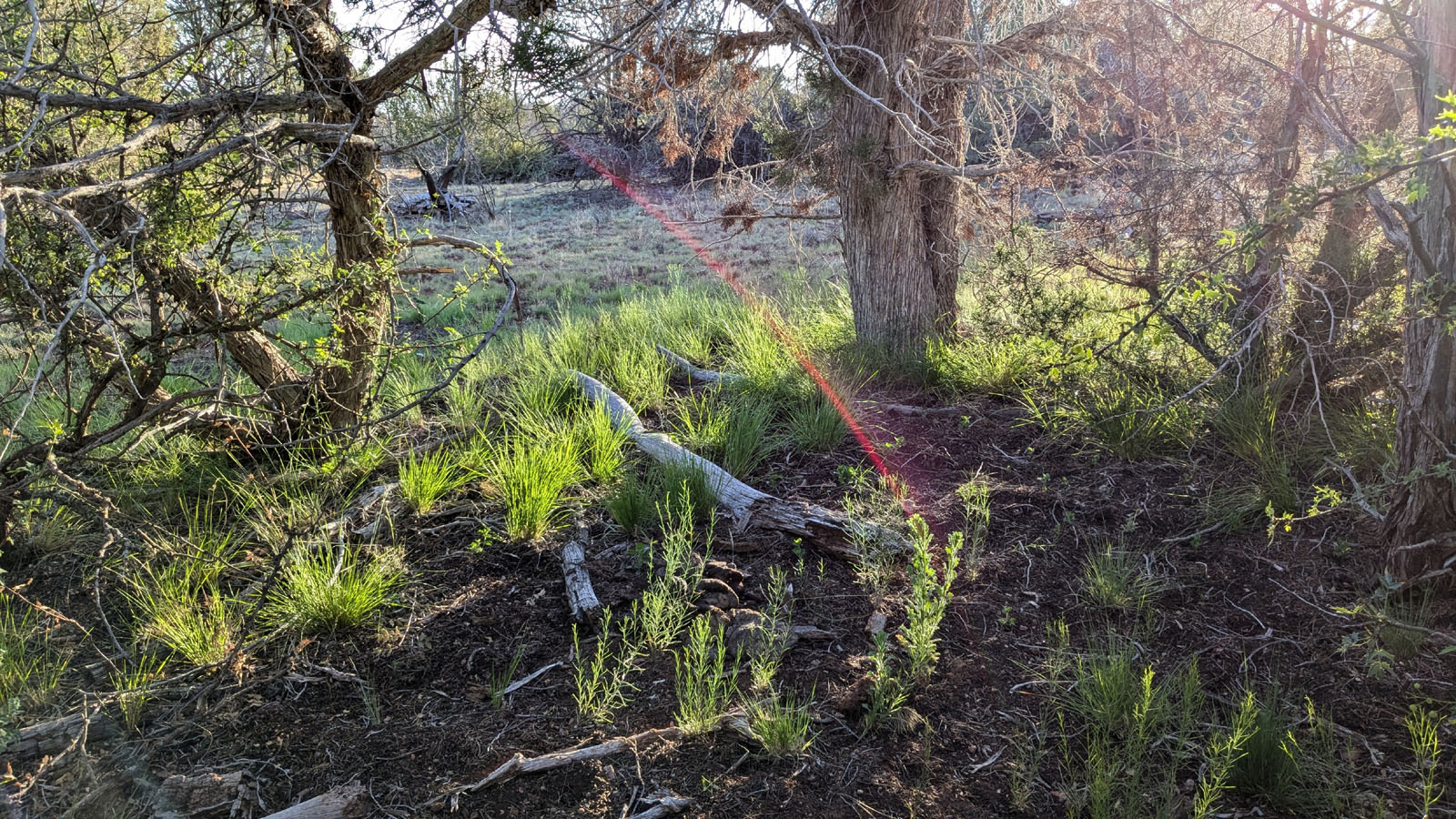
This internal tension means that blanket opposition or support is rare. Many environmental groups support wind energy in principle but oppose specific projects when they threaten high-value habitats, endangered species, or irreplaceable landscapes - such as the checkerboard private/public lands of the Yavapai Ranch and Prescott National Forest interface.
The Camino Madre project falls squarely into this contested space. While it promises renewable energy generation, its location raises legitimate questions about wildlife impacts in an area already identified as important for species of conservation concern. We believe these concerns deserve careful, science-based scrutiny rather than being dismissed in the name of broader climate goals.
Responsible environmental stewardship requires balancing different priorities - and in this case, better siting options exist that could achieve clean energy objectives with significantly less harm to Arizona’s wildlife and forests.
This page will be updated with statements from specific organizations or new developments in the national conversation around renewable energy siting.